Small beginnings, bold faith, and the early roots of a connected Baptist community.
1798
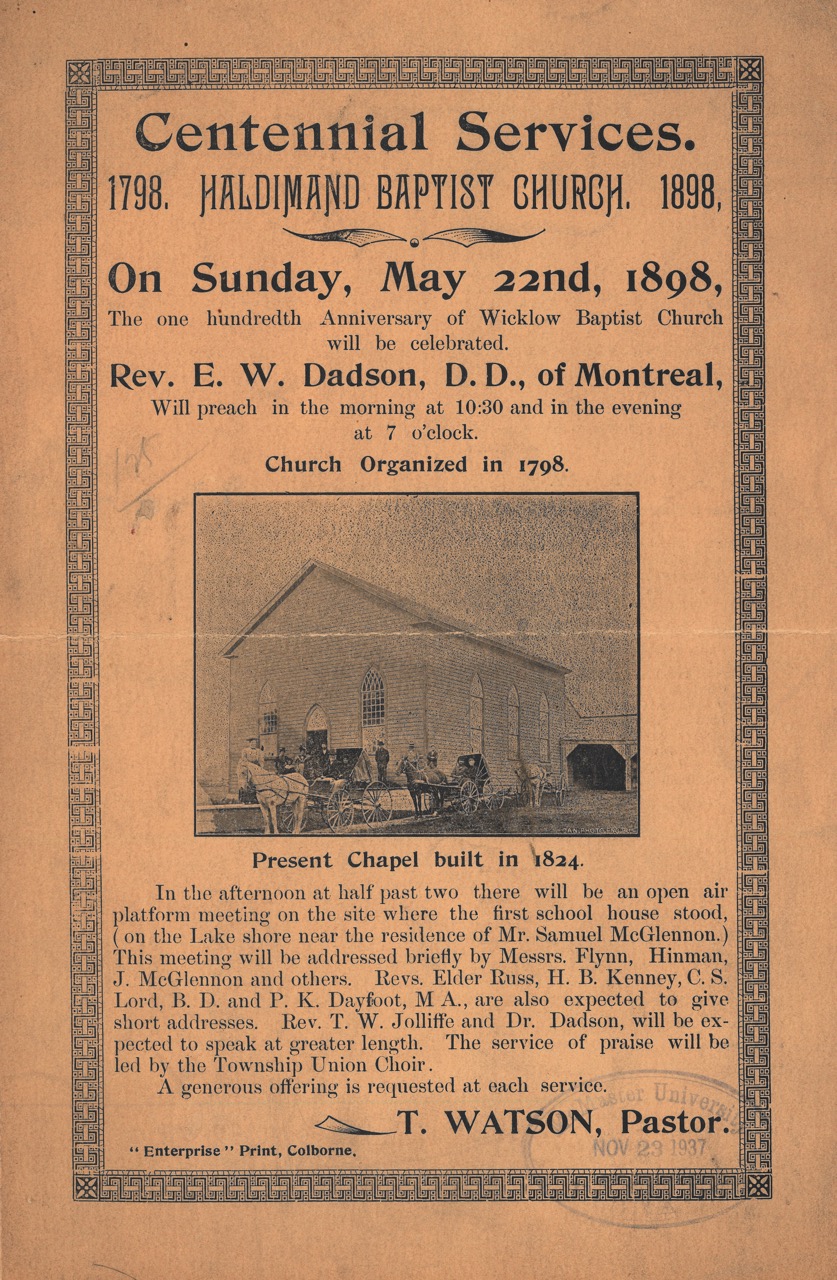
Wicklow Baptist Church is formed
In 1798 The Wicklow Baptist Church (formerly known as the Haldimand Baptist Church) is formed.
1826
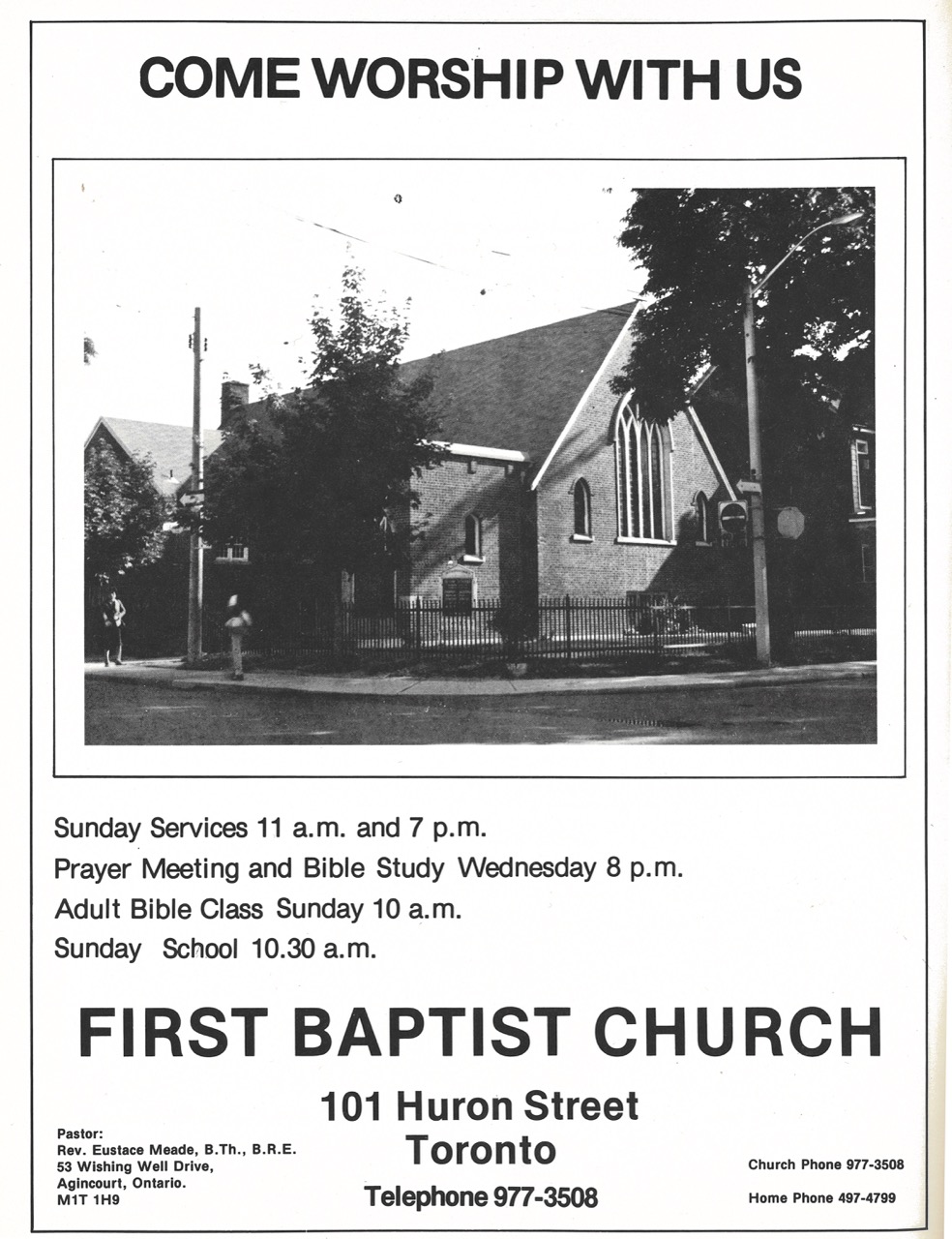
Toronto’s first Black church
A group of formerly enslaved and free black Christians founded First Baptist Church in Toronto. It became the city’s first Black institution and a living witness to courage, faith, and community.
Image: A group of formerly enslaved and free Black Christians founded First Baptist Church in Toronto, establishing one of the city’s earliest Black institutions.
1830s - 1850s
Early associations
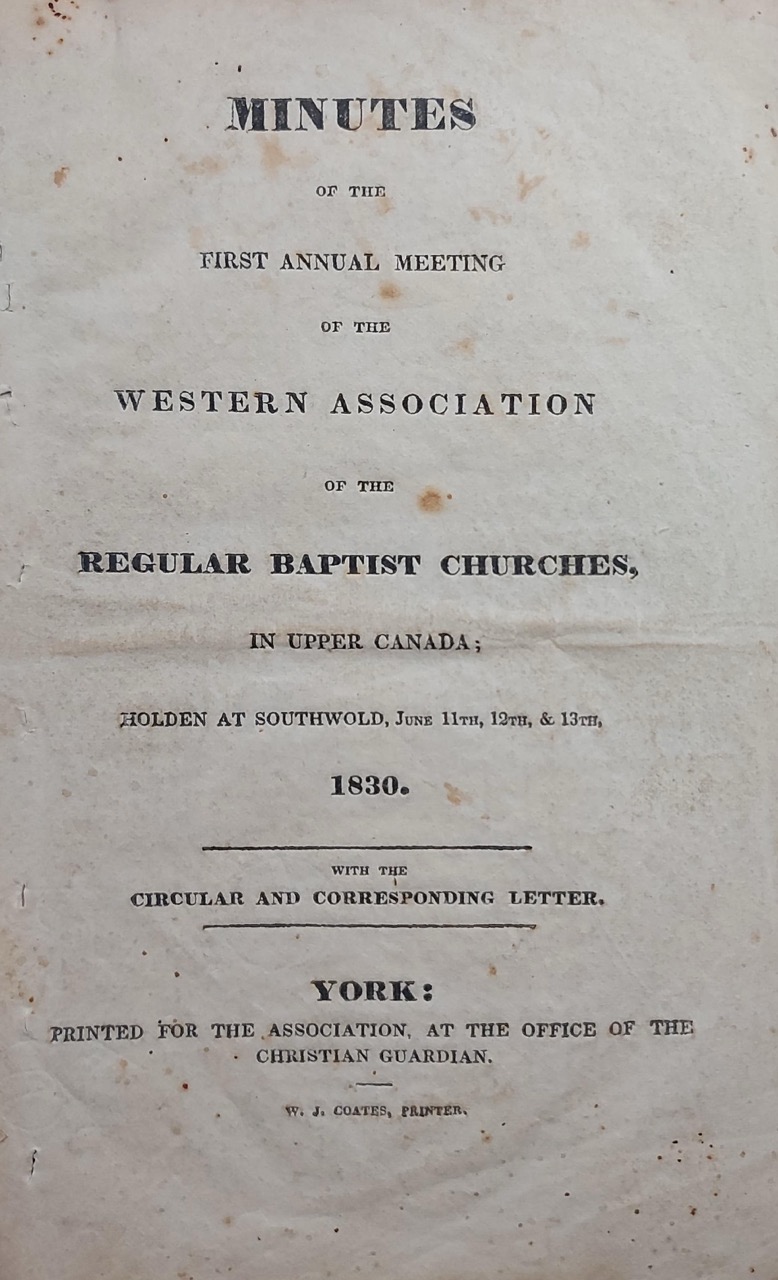
Before there was a formal convention, Baptists were already working together. Small associations of churches gathered to encourage one another and share resources. This early cooperation set the stage for our future.
Image: Continuous association meetings can be traced back to 1830, with earlier gatherings in Thurlow (1804), Clinton (1811–12), and Johnstown (1828).
1835–1836
Mission to French Canada
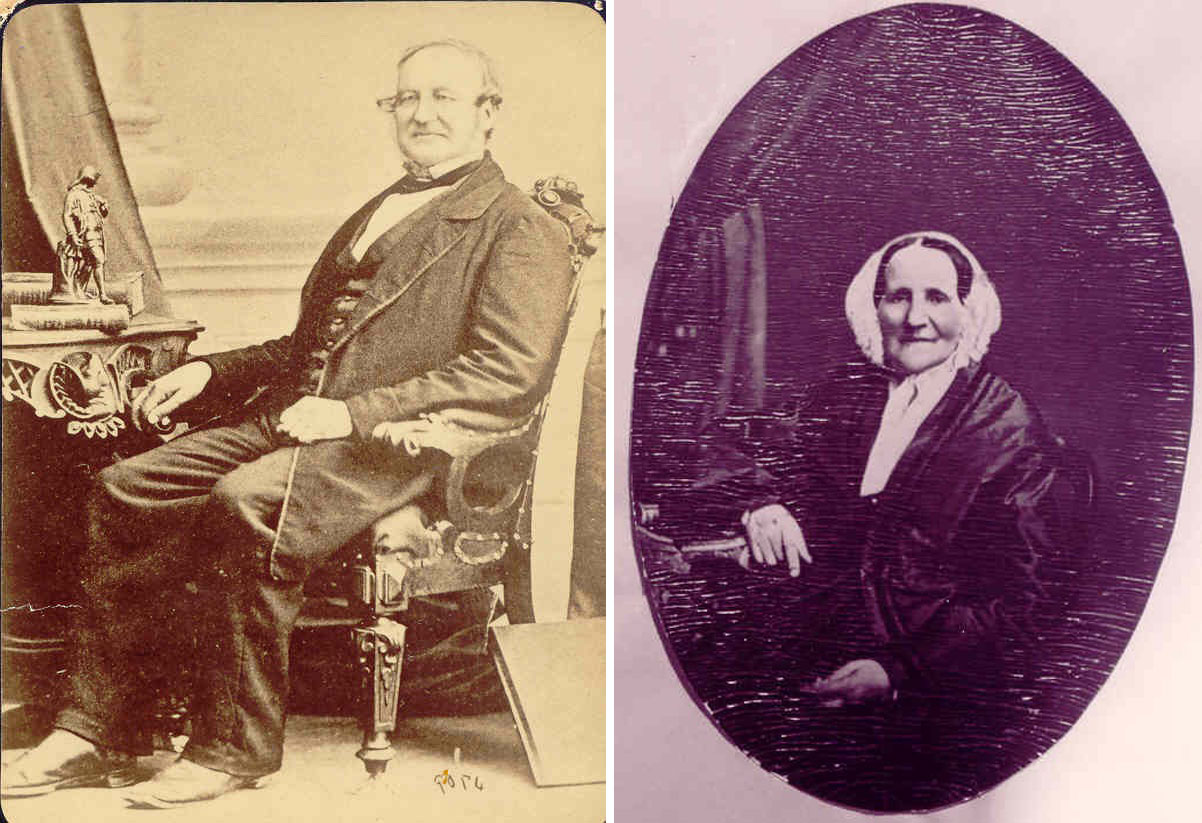
Swiss missionaries Henriette Feller and Louis Roussy began their work south of Montréal. Their Grande-Ligne Mission and the Feller Institute (opened in 1836) brought the good news into French-speaking communities and inspired global mission vision.
Image: Swiss missionaries Henriette Feller and Louis Roussy led early mission efforts into French-speaking communities through the Grande-Ligne Mission.
1838-1849
A new school for ministers
In 1838, Baptists opened Canada Baptist College in Montréal to train leaders. Though it closed just over a decade later, it left behind a vision for theological education that has continued ever since.
1854
A denominational voice begins
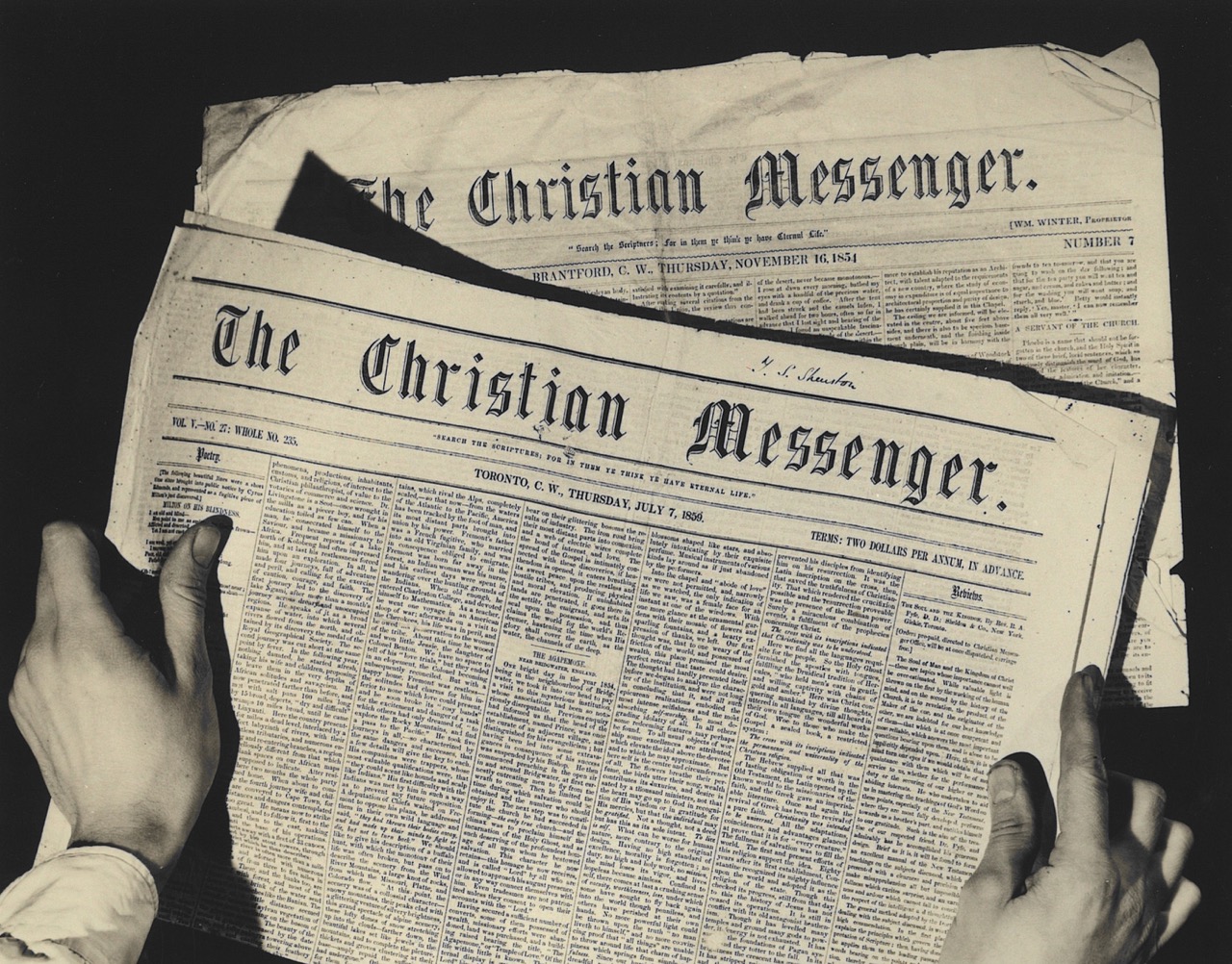
In 1854, the denomination newspaper, the Christian Messenger (became the Canadian Baptist) was first published. It was published as a newspaper until 1968, when it became a magazine which ran until 1998.
Image: The Christian Messenger served as a key denominational publication for over a century, evolving from newspaper to magazine.
1857–1860
Woodstock College and Toronto Baptist College
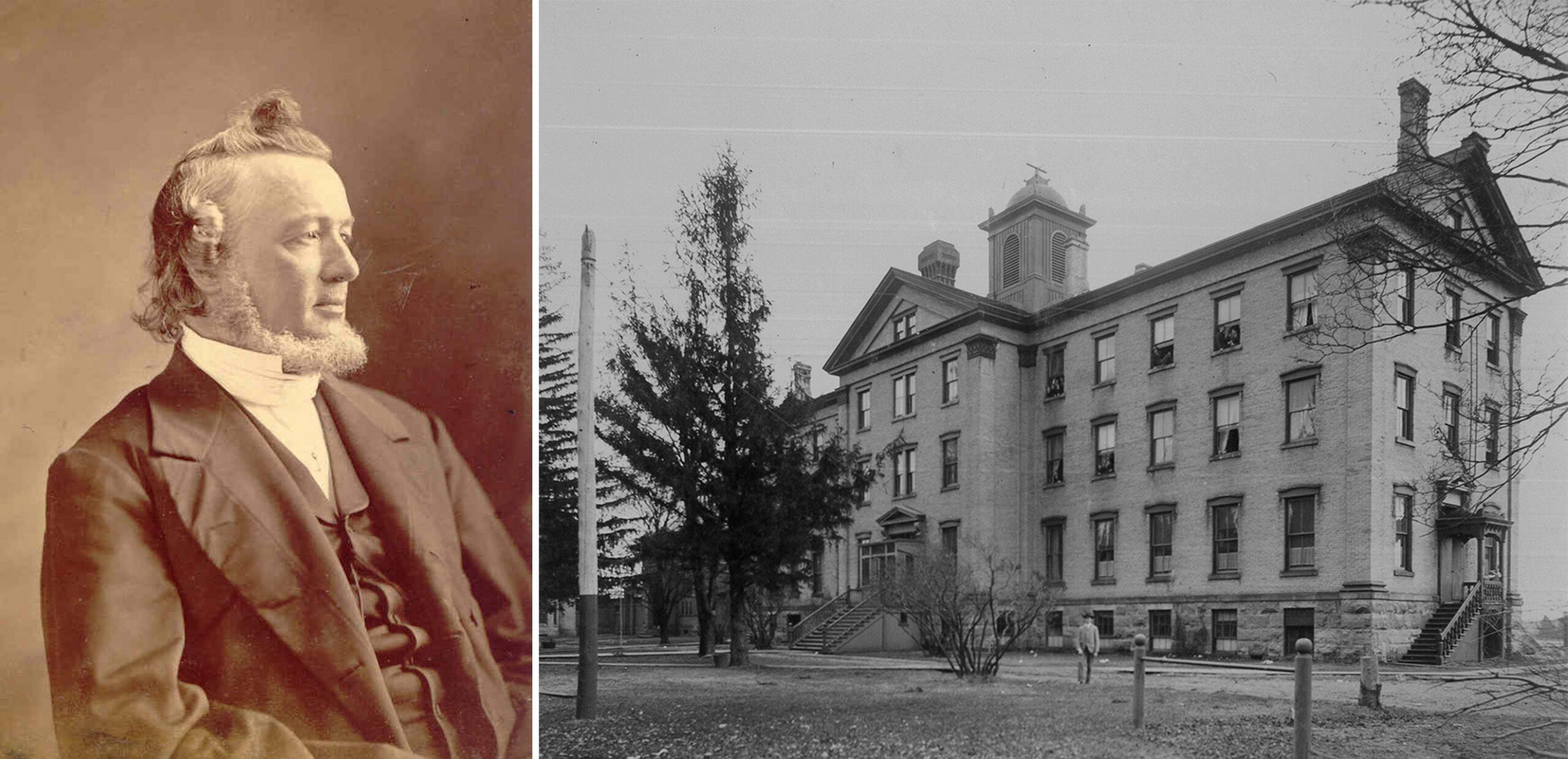
In 1860, due to the unceasing efforts of Rev. Robert Fyfe, the Canadian Literary Institute (later Woodstock College) became a training school for both pastors and lay leaders who would shape churches across Ontario and Quebec. In 1881, the theological department was moved to the Toronto Baptist College, and Woodstock College focused on providing preparatory and vocational training.
Image: After a fire destroyed the main campus in 1861, the school was quickly rebuilt and continued operating until 1926.
Education, mission, and organization take shape as Baptists begin building lasting structures.
1867
A growing mission vision
The Regular Baptist Missionary Convention of Canada West gathered in Ingersoll in 1867 to commission Rev. A. V. Timpany and his wife Jane to become missionaries to India.
Image: This early mission effort reflects growing cooperation among Baptists and a shared commitment to global outreach.
1881–1887
McMaster’s beginnings
In 1887, Senator William McMaster’s generosity led to the foundation of McMaster University. The new university was comprised of an Arts department and the Theology department from Toronto Baptist College. Unlike other universities in Ontario at the time, McMaster University was privately funded by the Baptist denomination when it opened in 1890, and it quickly became a center of academic excellence and spiritual formation.
1888
Our convention is born
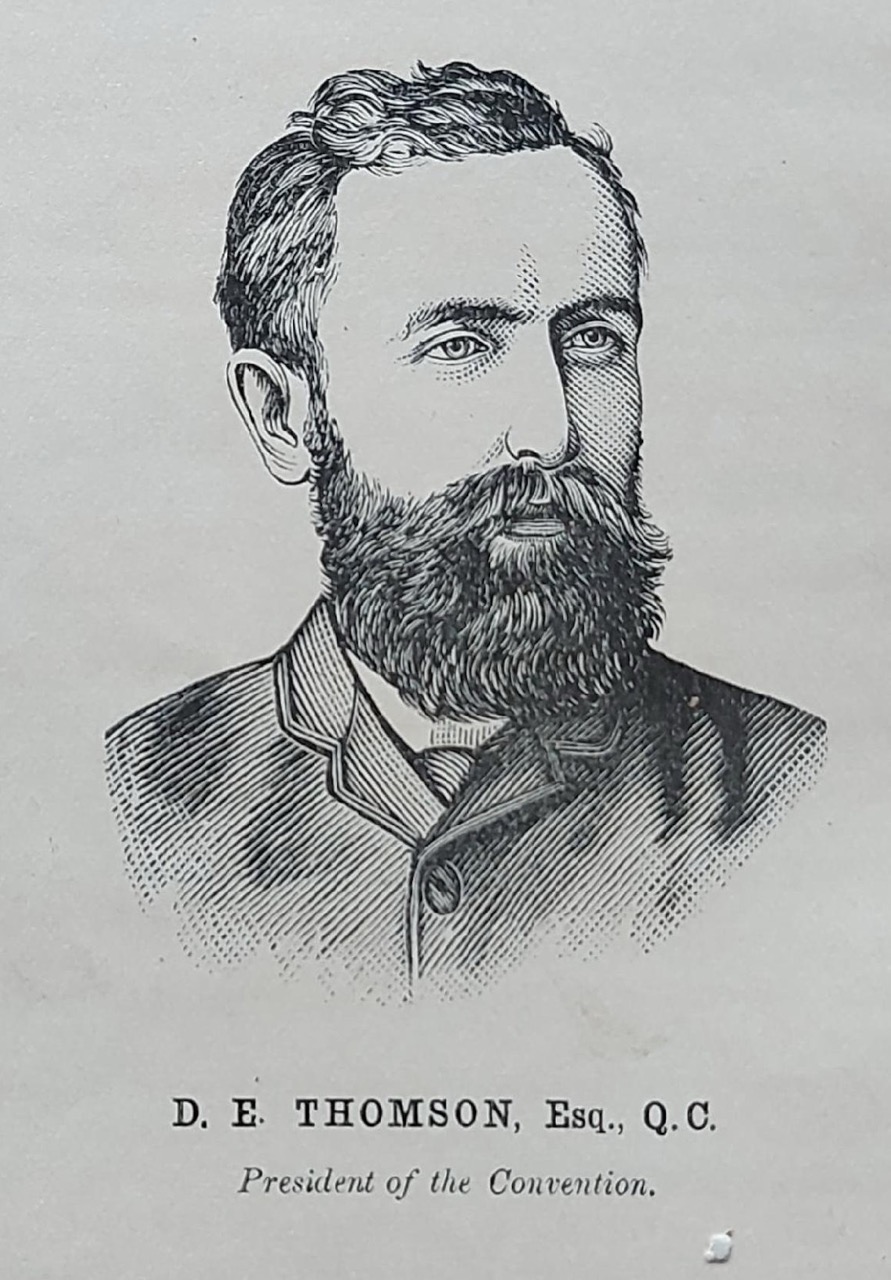
In 1888, churches across Ontario and Quebec came together and officially formed the Baptist Convention of Ontario and Quebec (BCOQ). It was their way of saying: we are stronger together than apart.
Image: D. E. Thomson served as the first president of the newly formed convention.
1888–1954
Moulton College
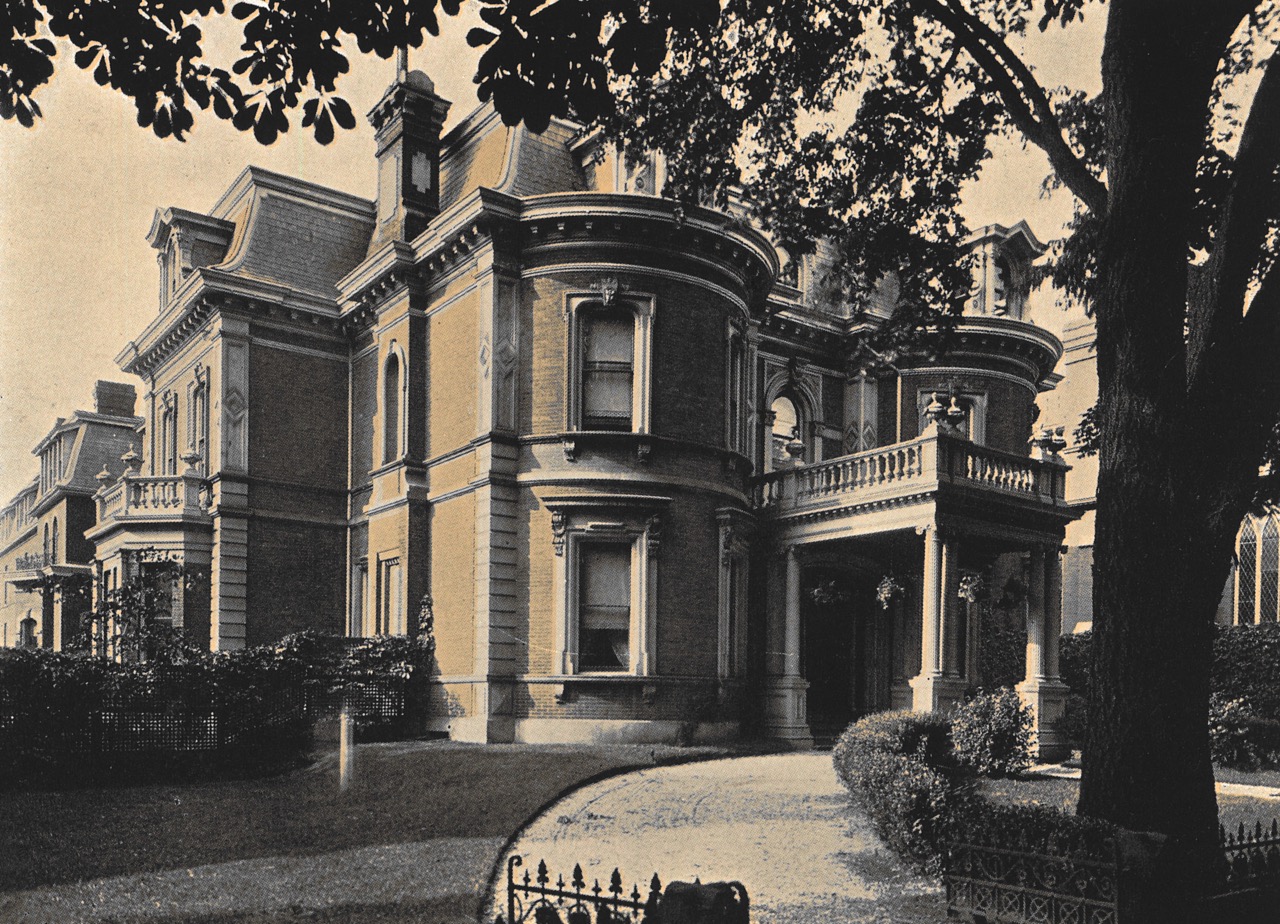
After Senator McMaster’s death, his widow founded Moulton College as a preparatory school for young women. The school operated in Toronto from 1888 until 1954.
Early 1900s
Reaching new communities
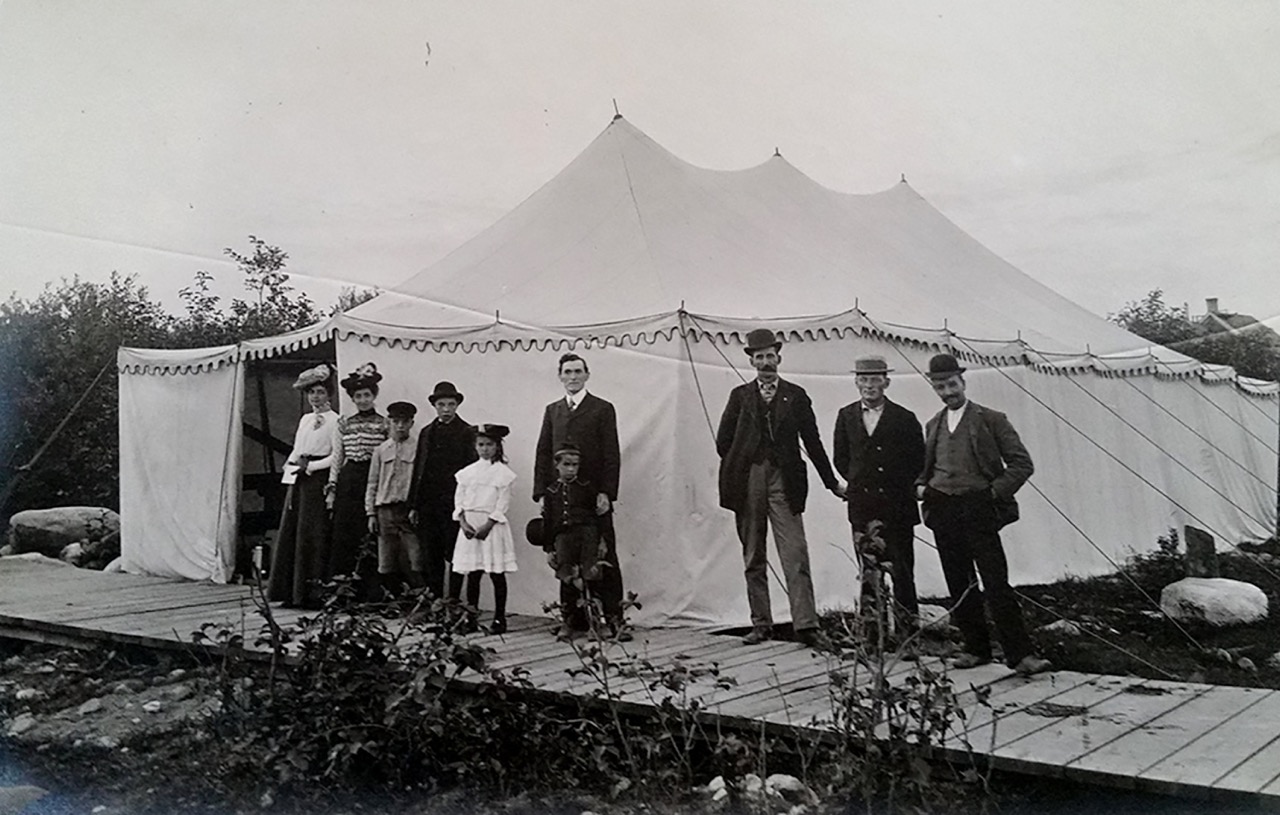
At the turn of the century, the home mission board was determined to establish Baptist ministries to new ethnic groups in Ontario and Quebec.
Image: The home missions’ tent was used in Steelton, Ontario (Sault St. Marie) in 1902 in the work of establishing new congregations.
1902
Expanding into Northern Ontario
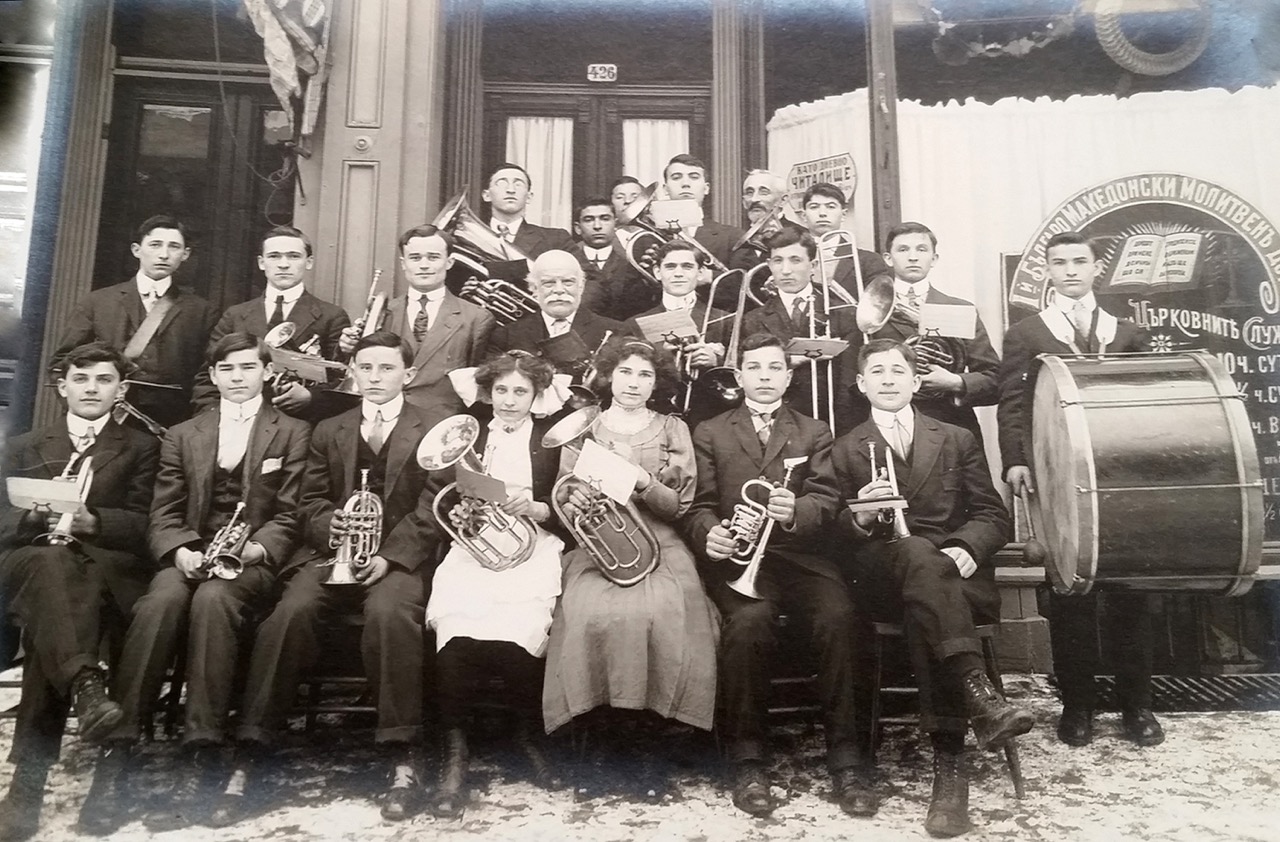
By the start of the 20th century, a number of new ethnic groups to Canada had begun to establish communities in Ontario and Quebec. The King St. Mission used music in its outreach to its local community.
1927
A family dispute
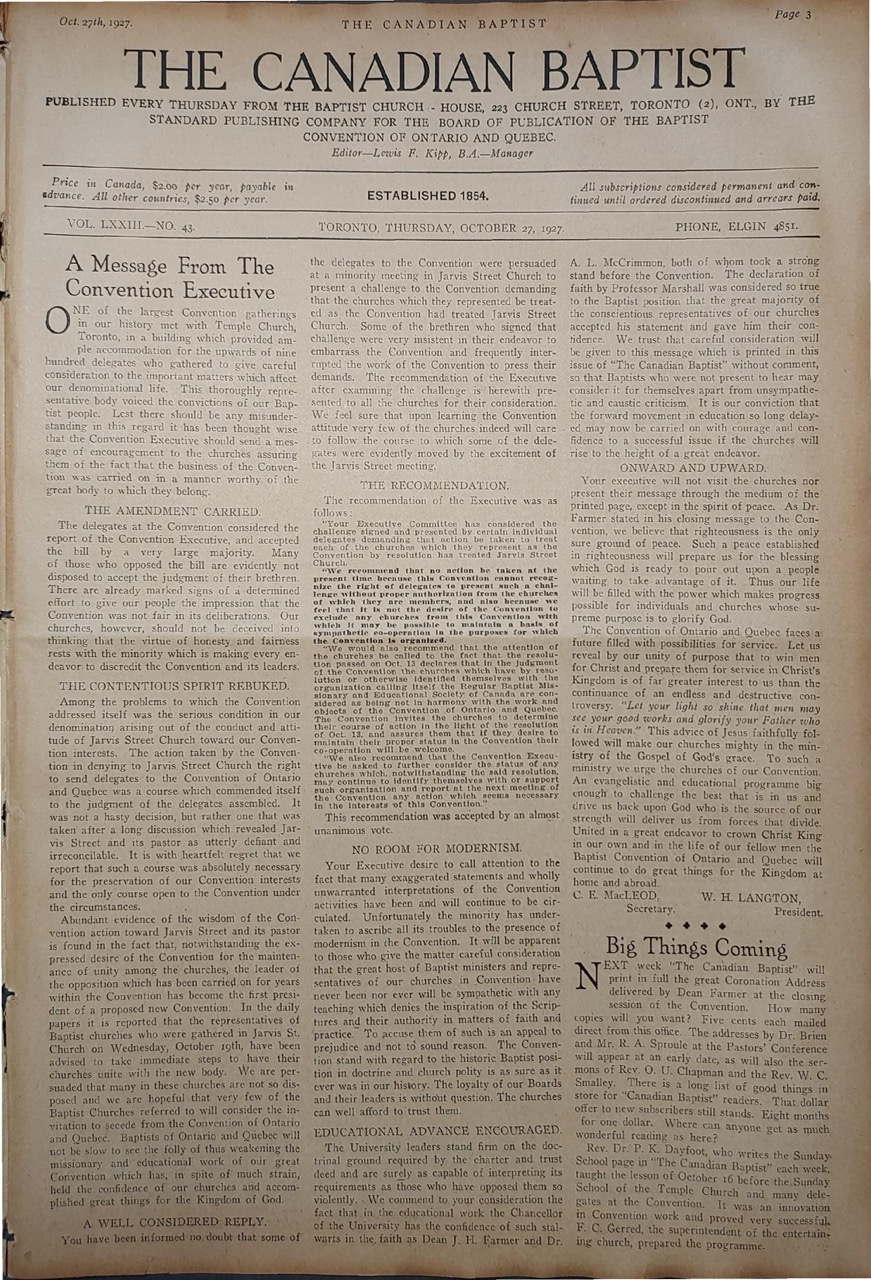
By 1927, the Baptist denomination split apart over a variety of issues, including rival newspapers, rival missionary societies, and issues of biblical interpretation at McMaster University. The churches that left the denomination either stayed as independent Baptist churches or would later come together to form the Fellowship Baptist denomination
1930
McMaster University moves to Hamilton
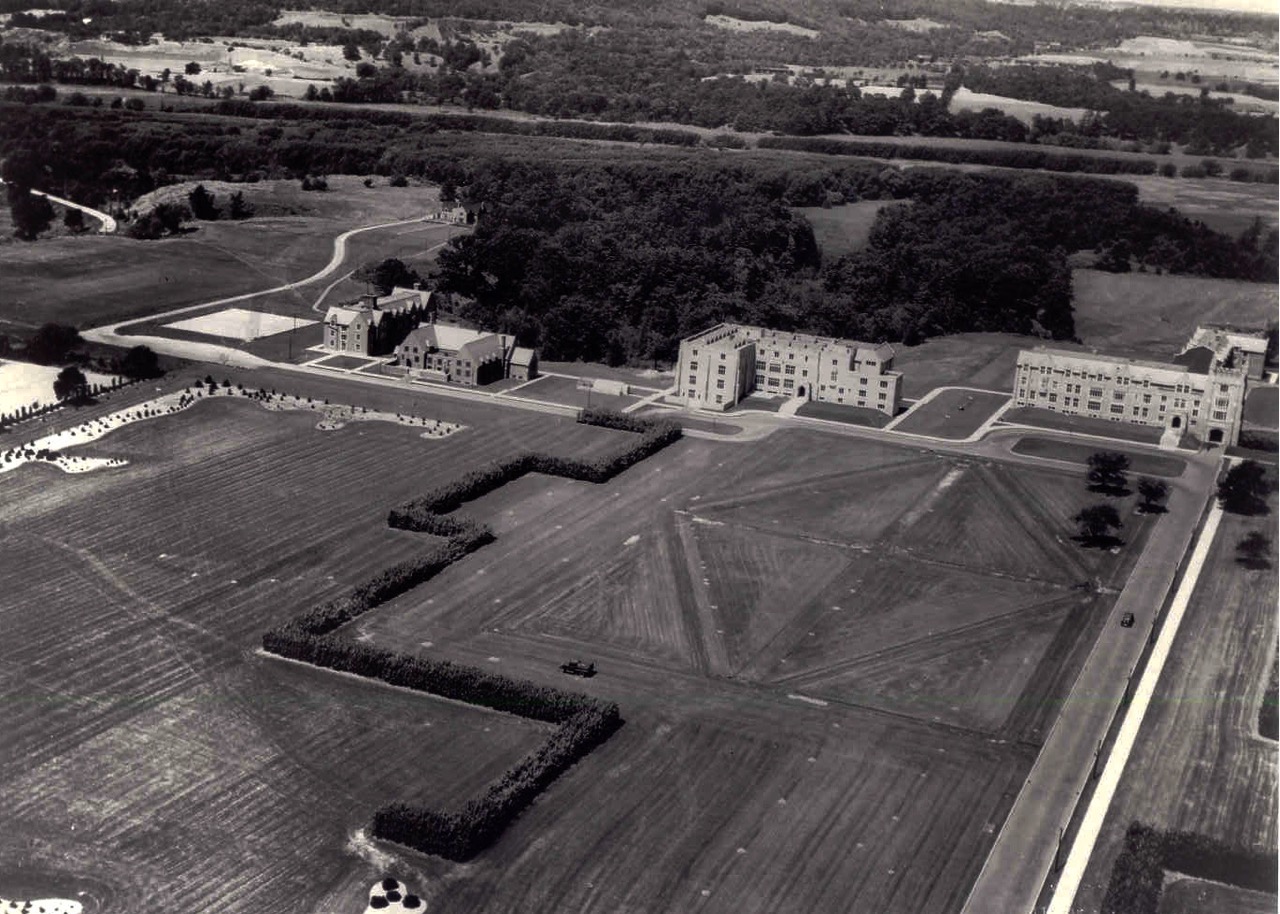
In 1930, McMaster University moved to its new campus in Hamilton, which provided much needed room for growth. Although still privately funded, the new campus opened with 5 new buildings and spacious gardens.
Image: The new campus included multiple academic and residential buildings forming the foundation of the modern university.
1939
Golden Jubilee celebration
In 1939, The CBOQ celebrated its Golden Jubilee at Automobile Building, Exhibition Park, Toronto.
Defining Belief & National Connection (1940s–1960s)
Shared beliefs are clarified and partnerships expand across Canada.
1940s–1950s
What We Believe
Baptists in Ontario and Quebec wrote down ‘What We Believe’. It gave churches a way to say: this is who we are, and this is what unites us.
1944
Working across Canada
Most Baptists across Canada joined together in 1944 to form the Baptist Federation of Canada.
1947
Women called to ministry
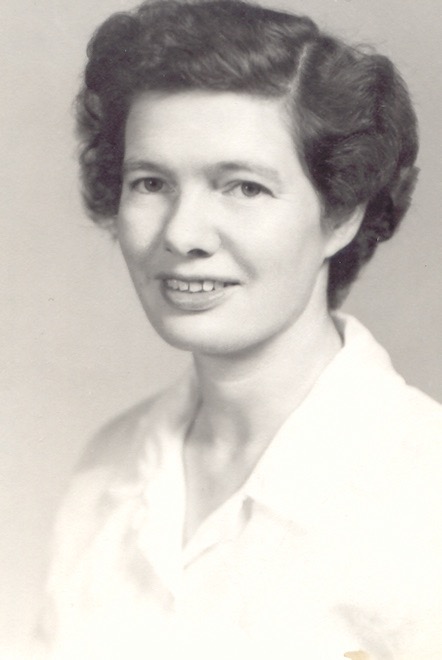
In 1947, the BCOQ voted to ordain Muriel Spurgeon (Carder). She became the first, stepping into ministry at a time when few women were given the chance.
1950s–1960s
Camps and youth ministries
Camps and youth programs began to flourish. Camp Kwasind, founded in 1944, grew into a place where generations of young people took one step closer to Jesus.
1957
Establishing McMaster Divinity College
In 1957, McMaster became a publicly funded university, as the Arts and Science faculties had grown too large to be funded by the Baptist denomination. As a result, McMaster Divinity College (MDC) was established as an affiliated institution with its own mission to, train pastors and leaders with a deep commitment to Christ and Scripture.
Image: In 1960, MDC’s own building was complete at the heart of the McMaster University Campus
Faith moves beyond the walls of the church into communities, justice, and global mission.
1960s–1970s
Baptist Distinctives
Building on ‘What We Believe,’ CBOQ clearly stated the Baptist distinctives which guide them as a Baptist movement. Baptist Distinctives are collections of practices that guide how Baptist churches operate and work together. The wording of our disctintives has been refreshed over the years, most recently in 2023.
1970s–1980s
Social engagement
Our churches leaned into justice and compassion. From welcoming refugees to advocating for peace, Baptists lived out their faith in the public square.
1979
Sponsoring refugees
When Canada launched the Private Sponsorship of Refugees program, CBOQ churches were among the first to respond. Congregations welcomed newcomers, often at great personal sacrifice, modeling Christ’s love in practical ways.
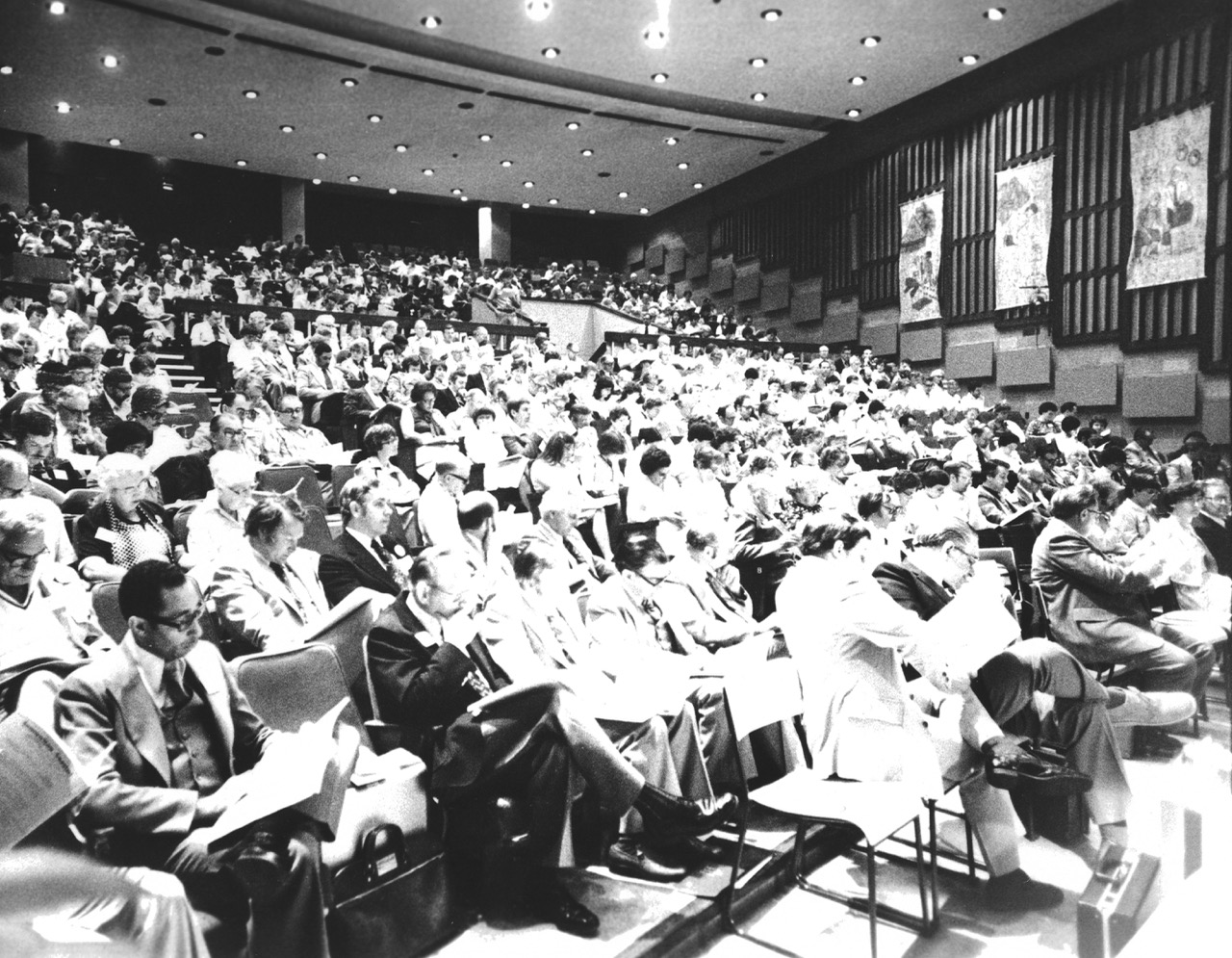
Image: At the 1979 Assembly in Montreal, CBOQ passed resolutions supporting the sponsorship of “U.N. convention refugees” and encouraging churches to actively participate in the process.
1995
Canadian Baptist Ministries
In 1995, the Baptist Federation evolved into Canadian Baptist Ministries (CBM). Canadian Baptists came together nationally to form Canadian Baptist Ministries. CBM allowed us to partner in global mission while still staying rooted in our local churches.
A renewed identity, growing partnerships, and a forward-looking vision for the future.
2008
A new name
To better reflect our Canadian identity, the Baptist Convention of Ontario and Quebec officially became Canadian Baptists of Ontario and Quebec, or CBOQ.
2020s
New chapters
In recent years, CBOQ has marked several milestones: appointing our first woman as Executive Minister, walking more closely with our Indigenous churches in Oshweken, Oneida, and Mistissini, and setting new Strategic Priorities for the years ahead. Our story is still unfolding, with faith and hope leading the way.